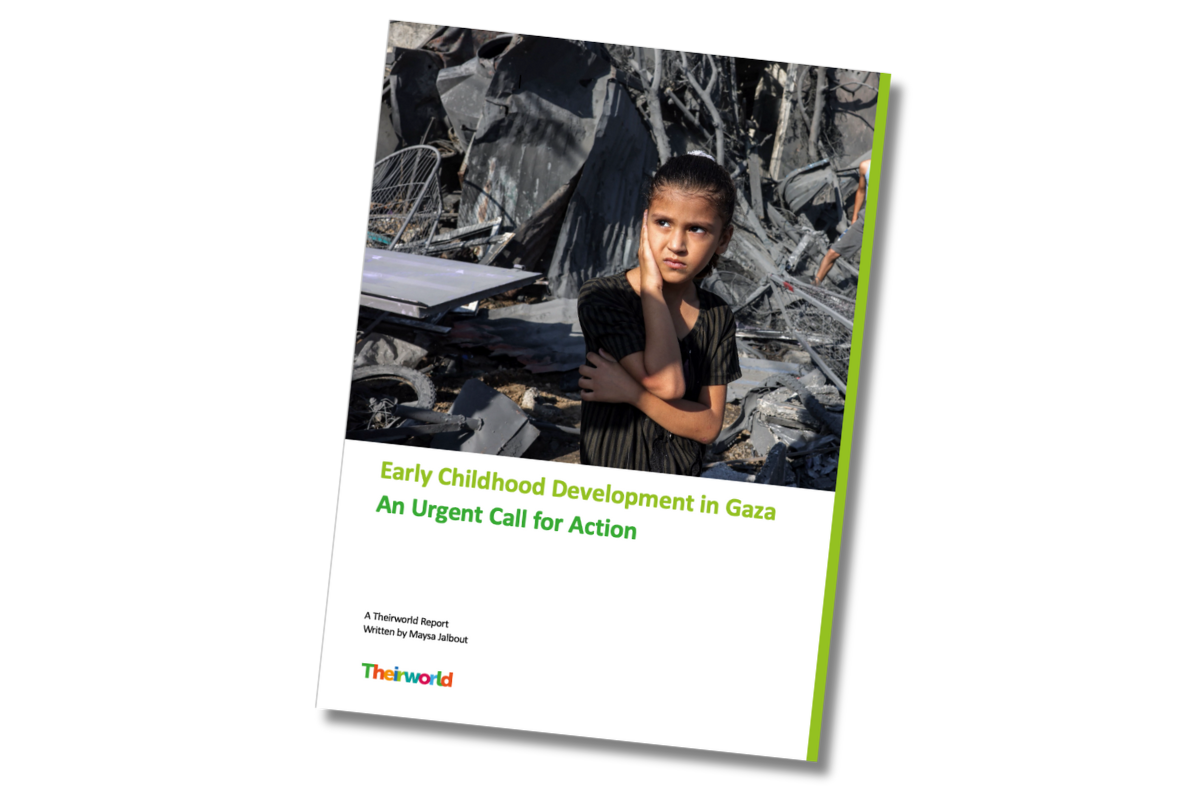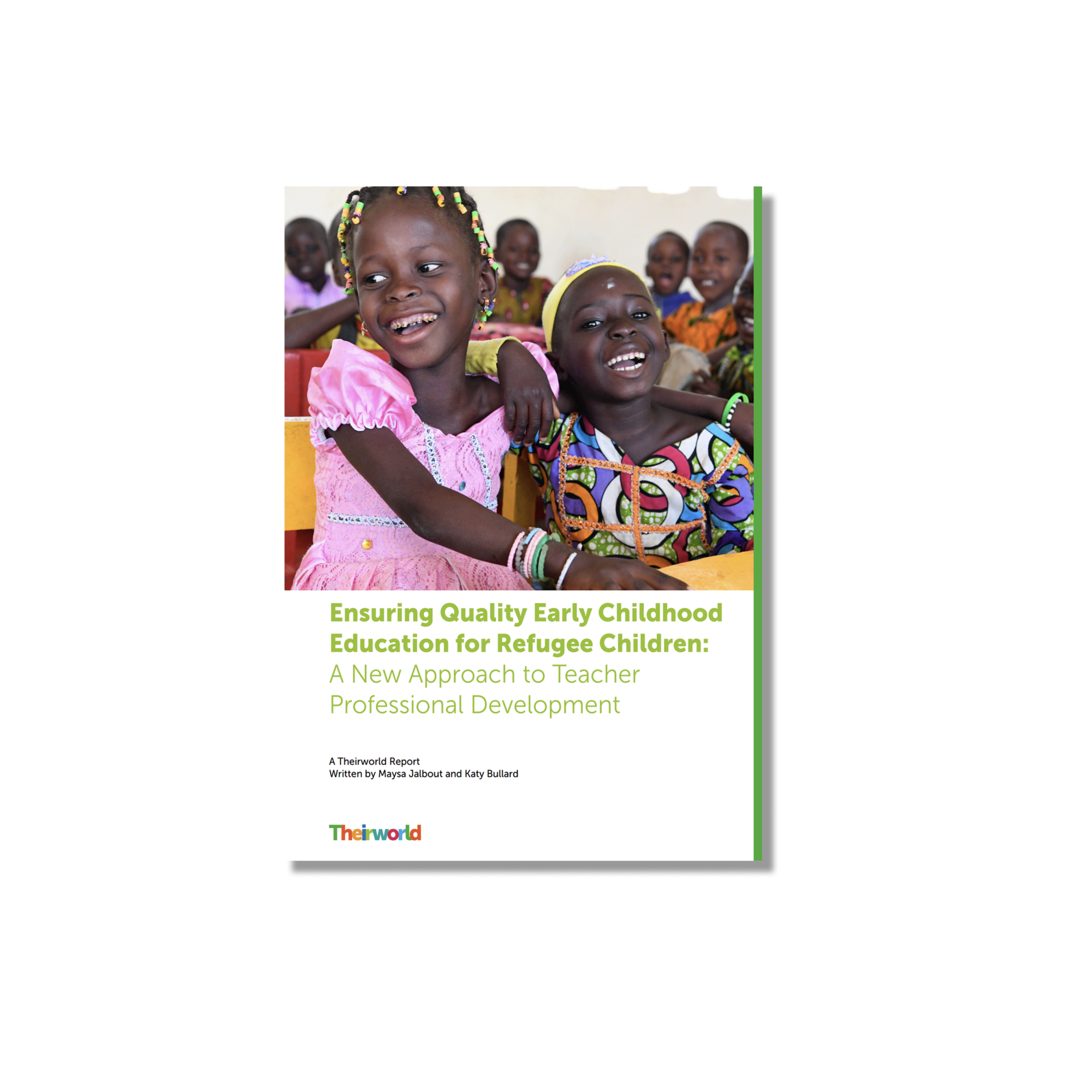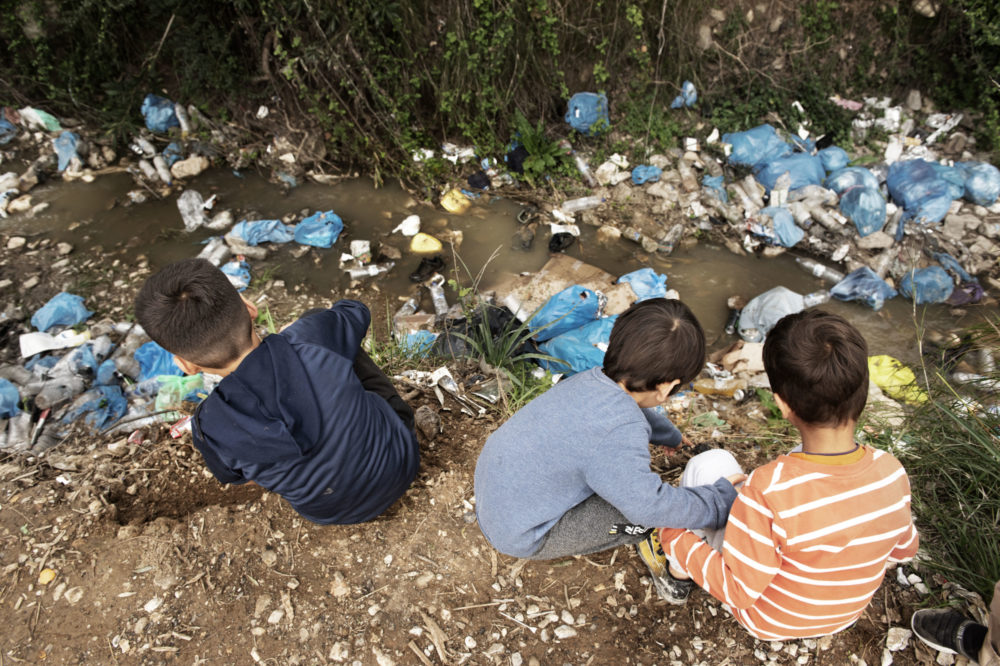
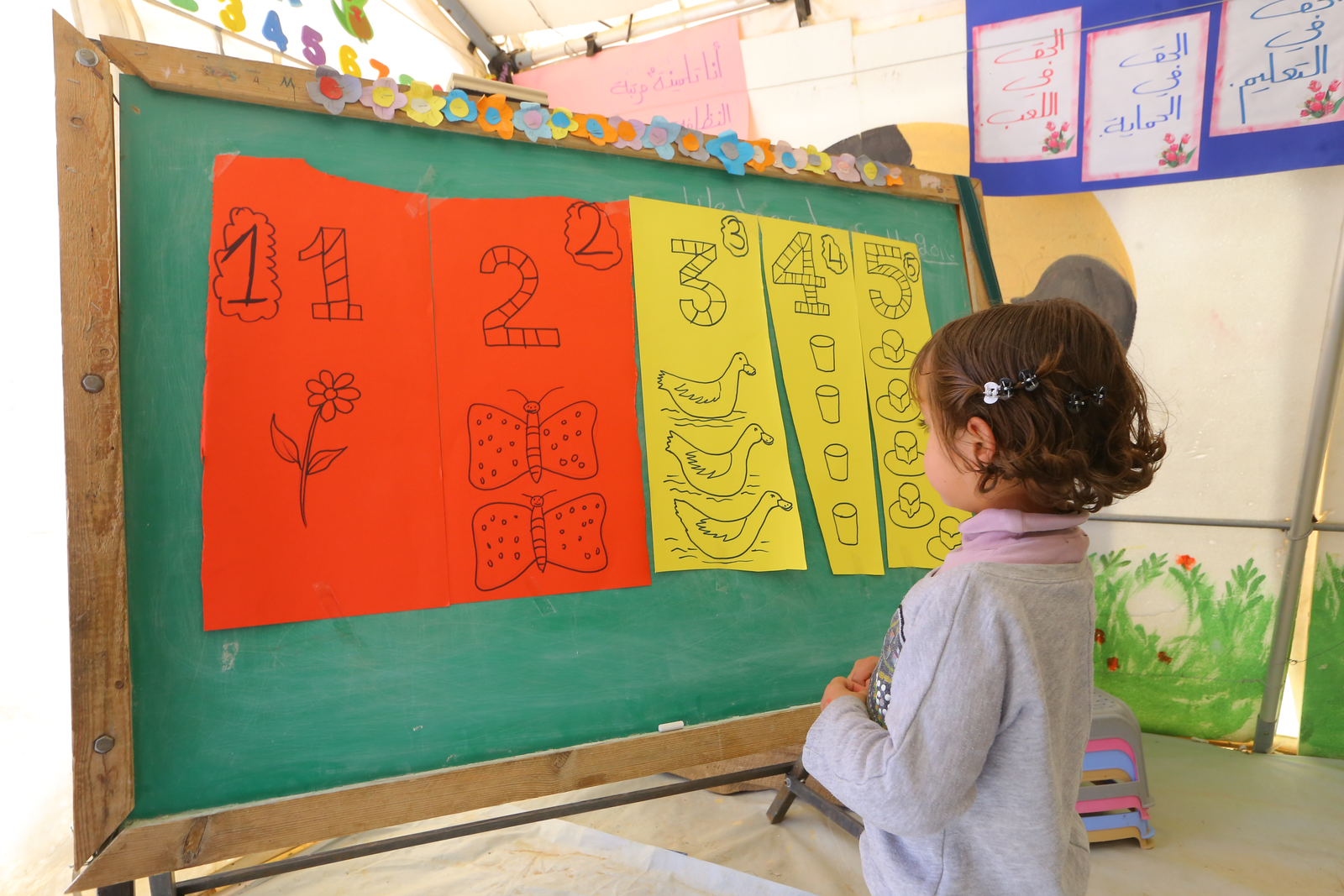

Being in school creates a sense of routine and normalcy for children affected by crises. Ensuring that a child’s education continues even in times of crises is essential for their long-term well-being.
Crisis and conflict disrupt education. Out of the 224 million-crisis affected children and adolescents of school age, about 72 million are out of school. (ECW, 2023)
If world leaders do not address educational barriers that stem from crises, it is estimated that 825 million youth will lack the necessary skills to contribute to the workforce by 2030. (IRC UK, 2023)
During crises, young children are vulnerable and disadvantaged; the first 5 years of a child’s life are considered the most critical stage of development. Yet, only 1.2% of education aid from donors is allocated to ECE. (IRC UK, 2023)
There were around 6,000 reported attacks on students, educators, schools and universities in 2022 and 2023. More than 10,000 students and educators were reported to have been killed or otherwise harmed by these attacks. (GCPEA, 2024)
Even before the COVID-19 pandemic, 127 million primary and secondary school-age children and young people living in crisis-affected countries were out of school in 2019, or almost 50% the global out-of-school population. (INEE, 2020)
Less than 1/3 of refugees are enrolled at the secondary level, with significant differences between boys and girls. Male refugees enroll in secondary school at 36% compared to only 27% for female refugees. (Save the Children, 2020)
In 2019, the out-of-school rate for children and young people of primary and secondary school age living in countries affected by crisis was 31% for girls and 27% for boys. (INEE, 2020)
Children living in areas of ongoing conflict are at greater risk of recruitment into armed forces and militias, child marriage and abuse. (A World at School, 2015)
In conflict-affected countries, the gap between the poorest and the richest in access to education becomes larger with 39% of the poor accessing education compared to 77% of the richest. (UNESCO, 2015)
In conflict and emergencies, investment in education can yield higher returns, saving lives in the short-term and billions of dollars in opportunity costs in the long-term.
For example, in Pakistan between 2009 and 2012, lack of access to education for 5.5 million children due to conflict is estimated to have cost $2.9 billion in lost income (A World at School, 2015)
The right to education during emergencies is supported by binding international conventions and global frameworks. (UNESCO, 2015)
Education provides a safe place for young people to continue learning, receive psychosocial services, protection, water and sanitation and a nutritious meal (ECW, 2023)
Education provides a critical combination of safety, socialisation, cognitive development and skills, preparing children and young people to be active and resilient members of their community and society. (Global Education Cluster, 2018)
What is the relationship between early childhood care and education(ECCE) and crises?
ECCEserves as a buffer against the negative impacts of crises on individuals and the community. It protects young children from the worst effects of crisis and provides a platform for nurturing care and psychosocial support. (UNESCO, 2015)

Teaching Resources
“Education in emergencies is a life-saving and life-sustaining intervention; having access to safe learning places helps children and young people heal from the trauma and duress inflicted by humanitarian emergencies.”