
Meet the seven winners of our latest Education Innovation Awards
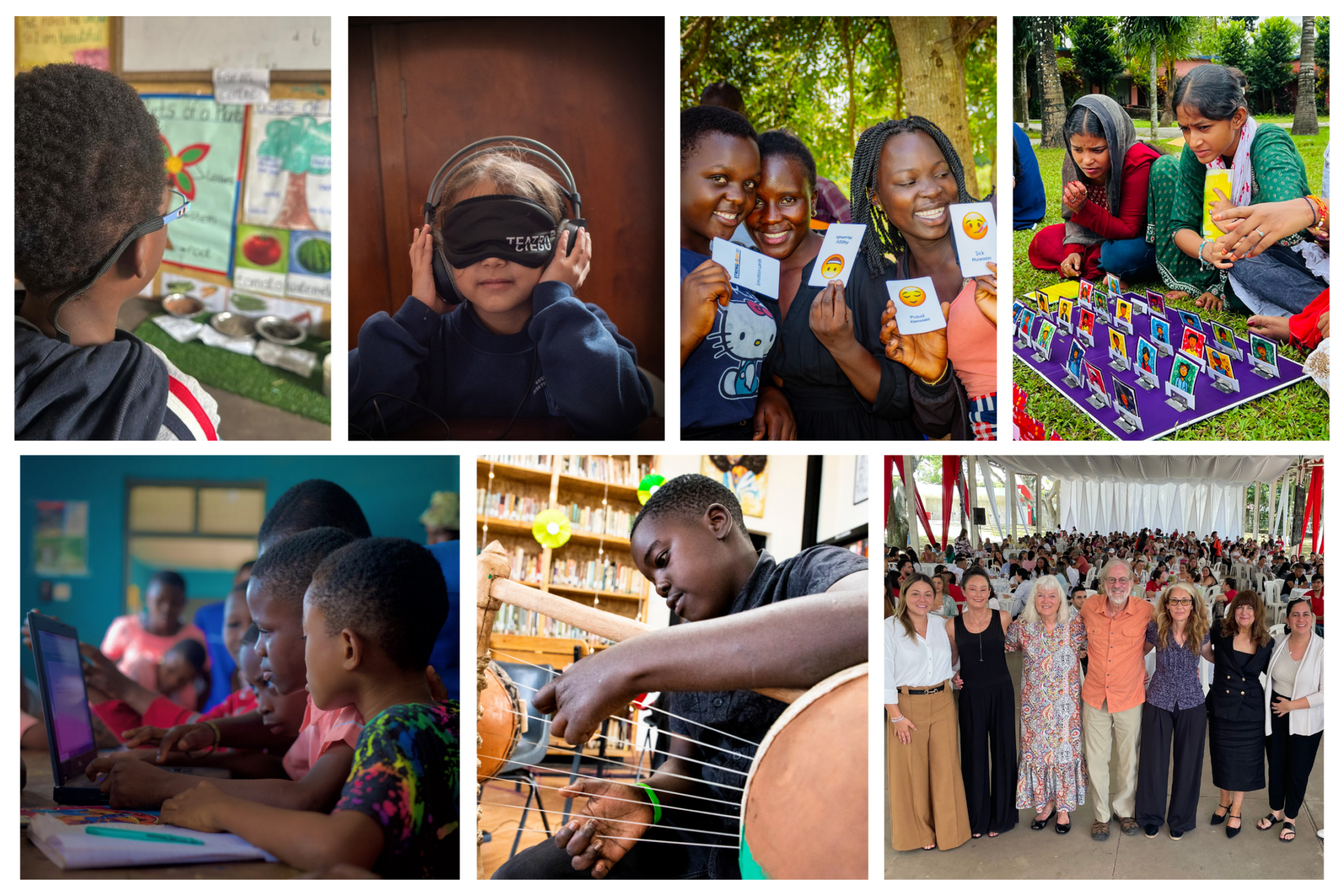
Theirworld will support learning programmes run by non-profits in Africa, Asia and Latin America to help them reach even more marginalised children.
Theirworld will work with seven non-profits across three continents to help them take their bold learning initiatives for marginalised children to the next level.
The organisations from Africa, Asia and Latin America have been named as the fifth cohort of Theirworld’s Education Innovation Awards. The winners were chosen in late 2025 and each will receive support to grow their already impressive impact through leadership coaching, masterclass training sessions, one-to-one mentoring and a grant of £40,000.
The awards were launched in 2021 and are open to non-profits, NGOs and charities. The fifth edition attracted hundreds of expressions of interest from around the world and more than 150 applications.
Mariana Lara Valencia, Theirworld’s Innovation Manager – Projects, said: “We’re excited to partner with these seven organisations driving powerful innovations across the globe. While their approaches span different tools, methodologies and contexts, they converge around a shared commitment to mental health support and inclusion.
“Through the awards, they are not only receiving funding but also tailored mentorship and coaching to help scale their projects and strengthen their programmes so they can reach millions of learners.”
Here are the winners and the programmes our awards will be supporting.
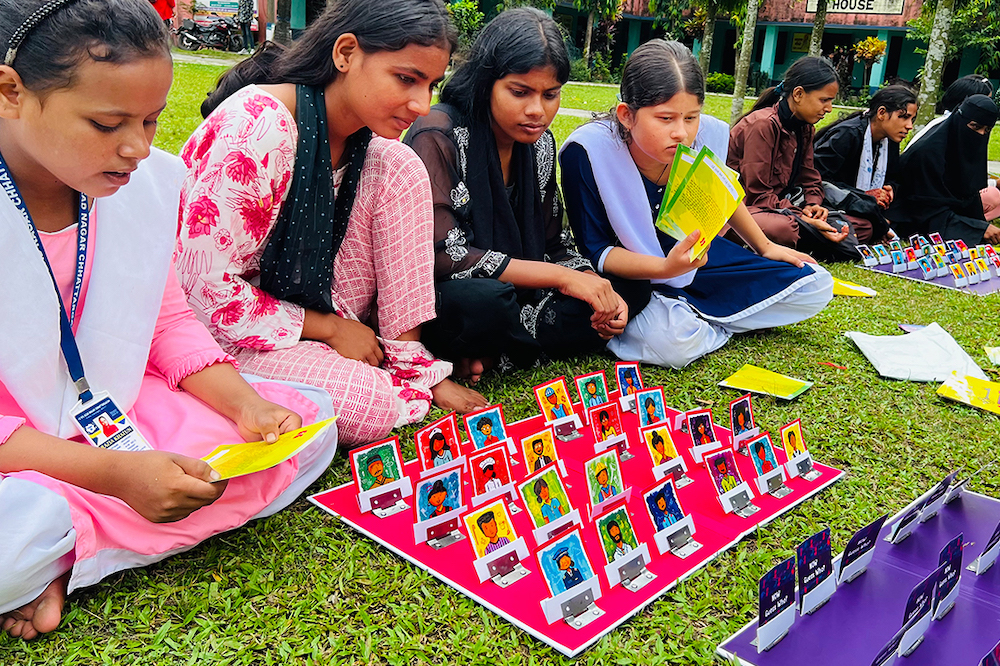
Playing games is one part of the Outdoor School Programme run by Going to School Fund.
Going to School Fund (India)
The organisation developed a model in which adolescent girls from low-income communities identify local climate-related problems, conduct action research and design real-world solutions. This enables them to transition from school into green careers and lead climate action in their communities.
The Outdoor School Programme lets girls complete challenges, play games, research climate issues in their communities and build digital skills. Football is used to teach team building and collaboration skills, increasing school attendance. The Children’s Scrappy News Service, a children-led TV show, gives girls a platform to share their work and Green Business Schools help young women design and launch sustainable enterprises.
The programme aims by 2027 to impact 100,000 girls in three districts in Bihar. The Education Innovation Awards grant will help Going to School reach 50,000 of those children.
The organisation said: “Millions of girls in India risk dropping out of school due to poverty and limited opportunities. We aim to run and compare rural and urban models that integrate equity, play and climate enterprise education to increase girls’ school retention and transition to green livelihoods.” The non-profit plans to expand to Mexico and the United States.
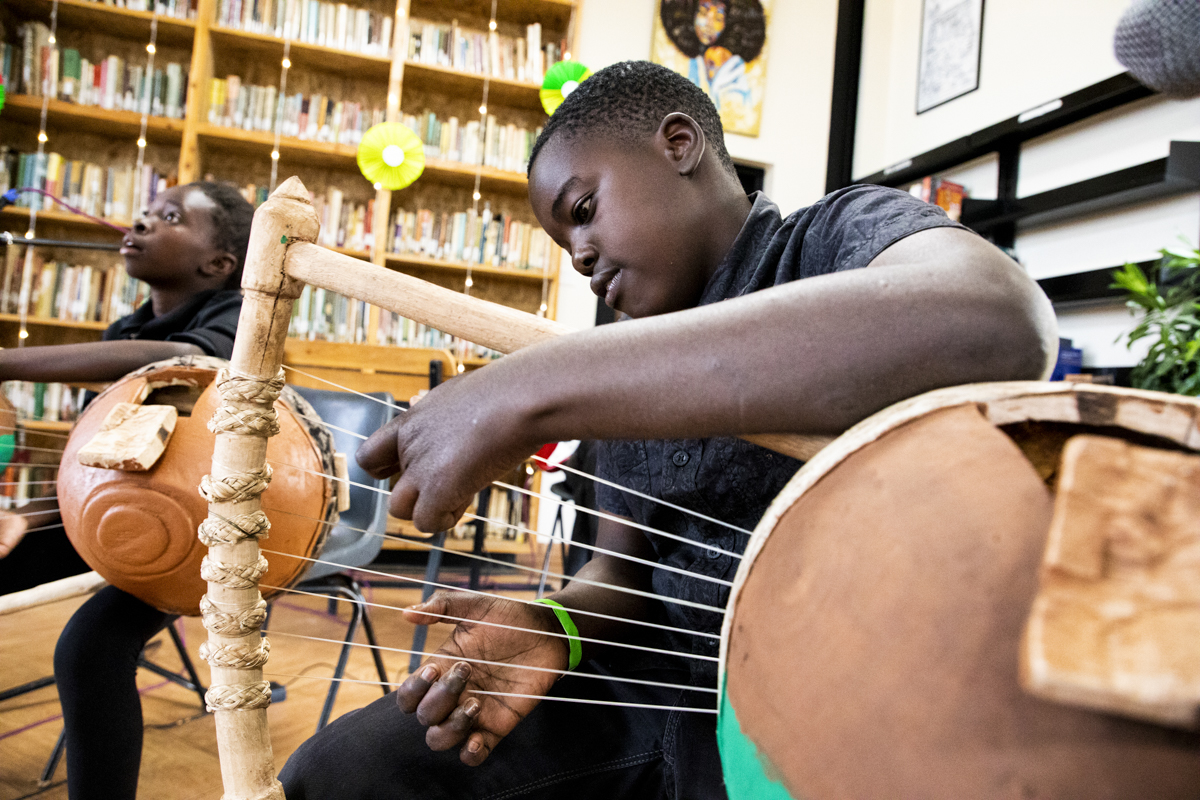
Children take part in arts and education-based programmes provided by Book Bunk in public libraries
Book Bunk Trust (Kenya)
Book Bunk’s Expanding Public Libraries project transforms neglected libraries in Nairobi, Kenya, into inclusive, safe spaces where underserved communities can learn, create and connect. It delivers arts- and education-based programmes, as well as wellness initiatives, including homework support, dance-based life skills and mental health literacy.
Book Bunk also restores historic public library buildings, digitises archives and expands accessible collections, including African-authored and Braille materials.
With its award, the project aims to impact more than 17,600 learners, caregivers and teachers in Nairobi’s public libraries through education, arts and mental health programmes. It also plans to enhance digital access and reach one million users with quality library services.
Book Bunk Trust said: “Overcrowded classrooms, limited study spaces and lack of after-school support hinder learning for students in Nairobi’s public schools. Book Bunk’s first-of-its-kind model transforms public libraries into free, safe spaces where students access academic, arts and mental health programmes – all under one roof.”
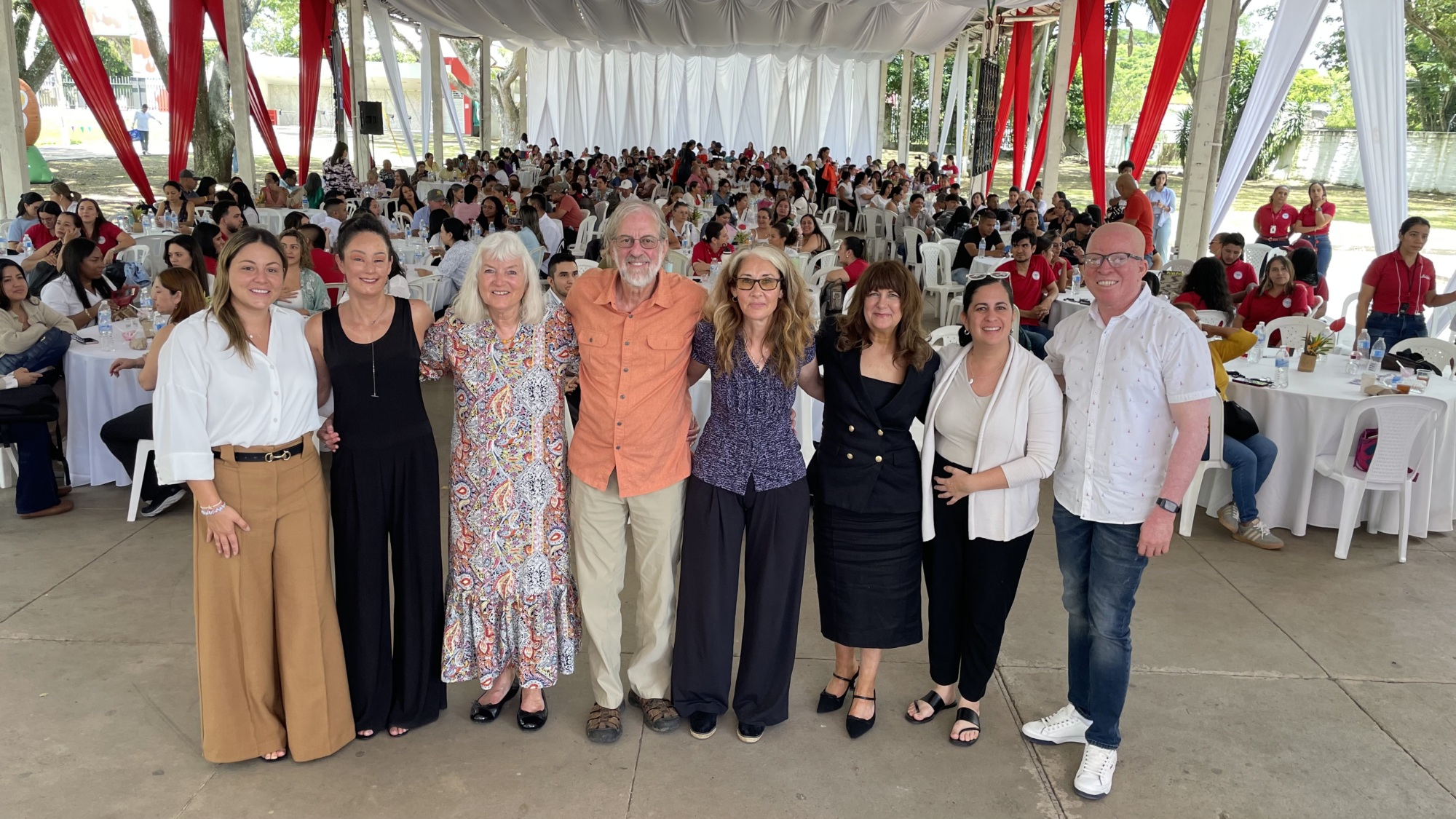
Fundación Levapan runs a programme called SEE (Social, Emotional and Ethical) Learning
Fundación Levapan (Colombia)
Violence and social issues in regions of Colombia mean many students and teachers face stress and education challenges. Fundación Levapan has implemented an inclusive education approach to strengthen students’ mental health and prevent them dropping out of school.
It does this through a programme called SEE (Social, Emotional and Ethical) Learning to train teachers, embed emotional learning in ethics lessons and support school leaders.
Fundación Levapan’s innovation has trained over 400 teachers and reached 20,000 learners in the city of Tuluá. With the innovation award, it now aims to expand the programme into other cities to reach a further 13,500 learners, caregivers and teachers.
Fundación Levapan said: “In a country affected by violence and social fragmentation, students and teachers face high levels of stress, emotional dysregulation and disrupted learning environments. We are not only teaching emotions, we are transforming education from the root.”
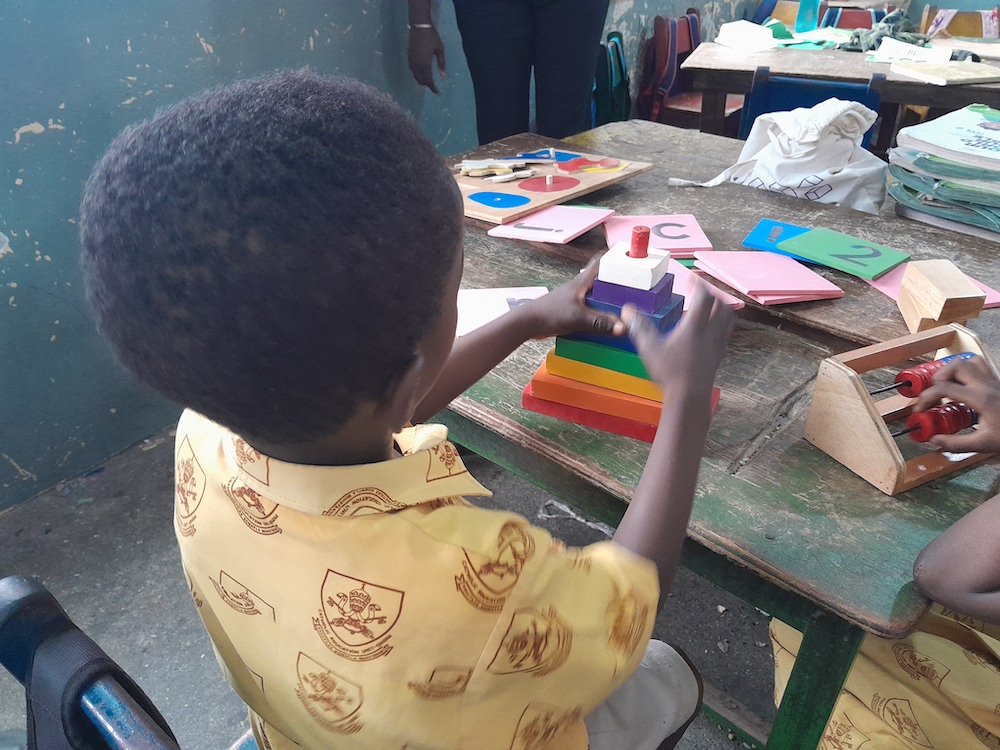
Chance for Childhood’s app helps teachers identify signs of disability, communication disorders or special educational needs
Chance for Childhood (Ghana, Rwanda, Uganda, DRC, Kenya)
The organisation launched the Disability Detect App – a digital screening tool designed to help teachers more easily and accurately identify signs of disability, communication disorders or special educational needs in children aged three to eight.
It lets teachers flag concerns about potential barriers to learning and refer children for diagnosis within the local health system. Children can then be given tailored teaching plans. The project also includes teacher training, inclusive education models and community support.
Chance for Childhood has used the app to reach more than 18,000 children. The aim now is to scale up its impact by 2027 to 500,000 children in Ghana and 50,000 children in Uganda and Rwanda.
This will be done through integrating the app into public education systems, used by trained teachers, as Chance for Childhood explained: “The app ensures faster, more accurate assessments, enabling real-time recommendations and reducing barriers to learning. We want to strengthen areas of Disability Detect to reach full scale.”
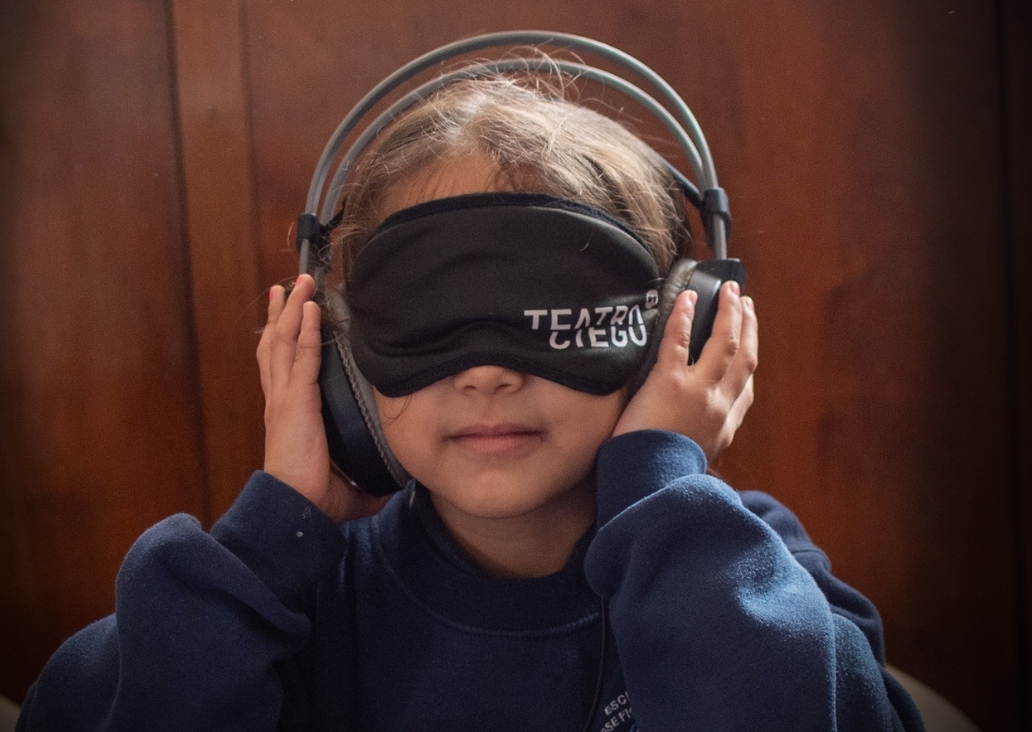
Teatro Ciego uses immersive, sensory experiences in darkness
A Ciegas Teatro por la Integración Asociación Civil (Argentina)
The programme uses immersive, sensory experiences in complete darkness to improve emotional and cognitive learning in school children aged four to 17, inspiring empathy, inclusion and creativity.
Students experience stories through touch, taste, smell and sound, without relying on sight. Programmes include live shows in complete darkness as well as immersive radio theatre-like audio plays enhanced by sensory effects, eye masks and headphones. Pre and post-play activities also integrate writing, role play games and sensory exploration.
By 2027, the programme aims to impact 36,000 children in rural areas of Argentina by providing access to educational workshops on diversity, equity and environmentalism. It will also amplify marginalised voices, such as children with disabilities and LGBTQ+ individuals.
Teatro Ciego said: “We are surrounded by screens – overwhelmed with visual messages, content and information. With so much input, students lose track of what’s community and human connection. Feeding imagination helps creative thinking. Active listening leads to clearly seeing others.”
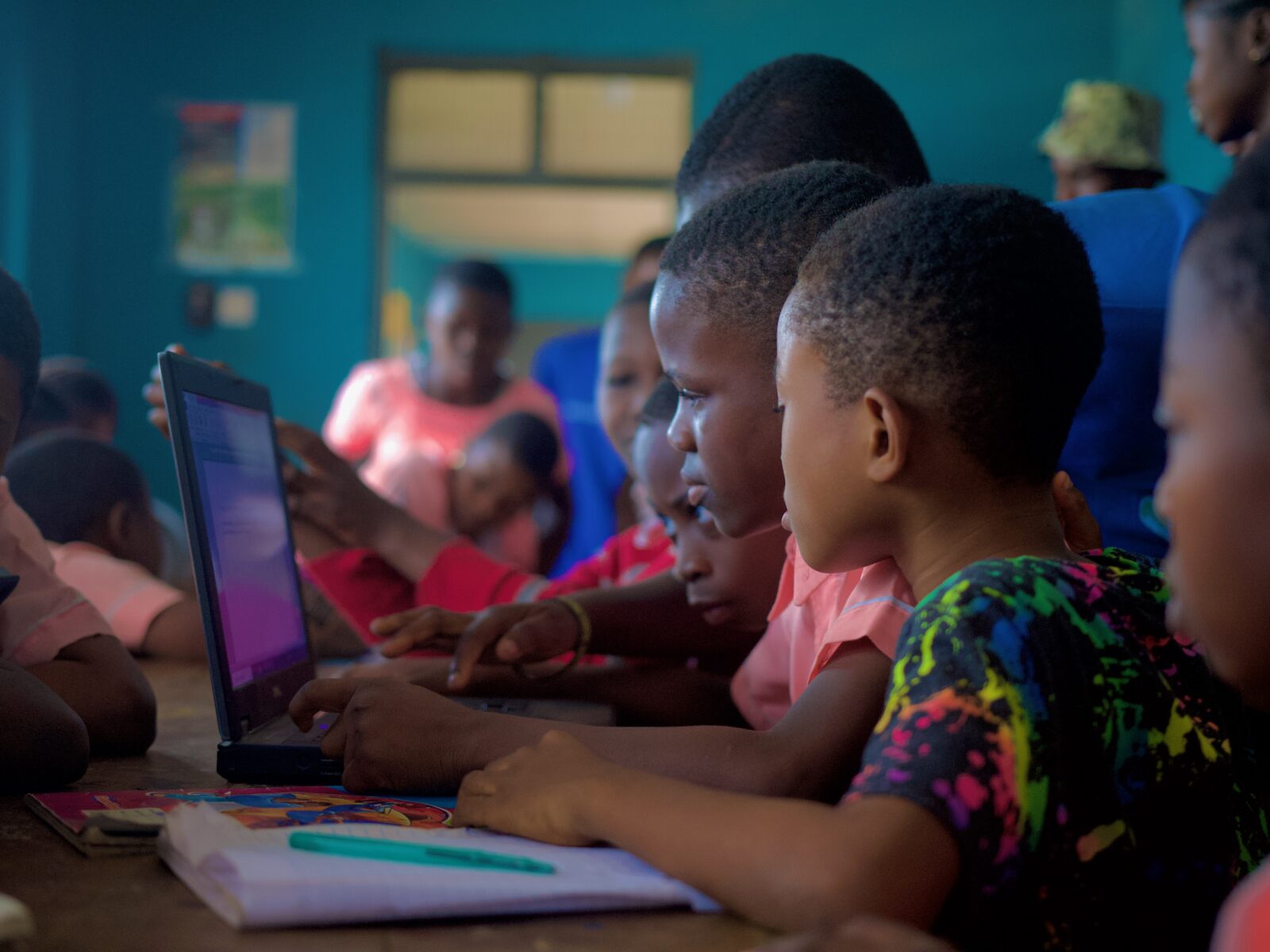
EduSpots engages learners of all ages in playful learning experiences
EduSpots (Ghana)
The Spot Model involves connecting, training and equipping a network of voluntary community-based educators called Catalysts to set up educational spaces known as Spots. These engage learners of all ages in playful learning experiences while promoting wider civic action.
Catalysts are trained in leadership, safeguarding and education delivery primarily through online peer-learning hubs. The programme supports learning in early years, digital literacy, STEM, gender equity and climate action, and has so far impacted 50,000 children.
Within three years, the goal is to involve over 7,000 Catalysts across 16 regions of Ghana, working with five partner and government organisations to offer transformative learning opportunities for over 100,000 children and young people through 1,000 locally sustained Spots.
EduSpots explained: “UNESCO (2022) reports that almost 80% of children in Ghana do not acquire basic literacy and numeracy skills by the end of primary school. Our solution empowers Catalysts – teachers, youth and parents – to lead and sustain change.”
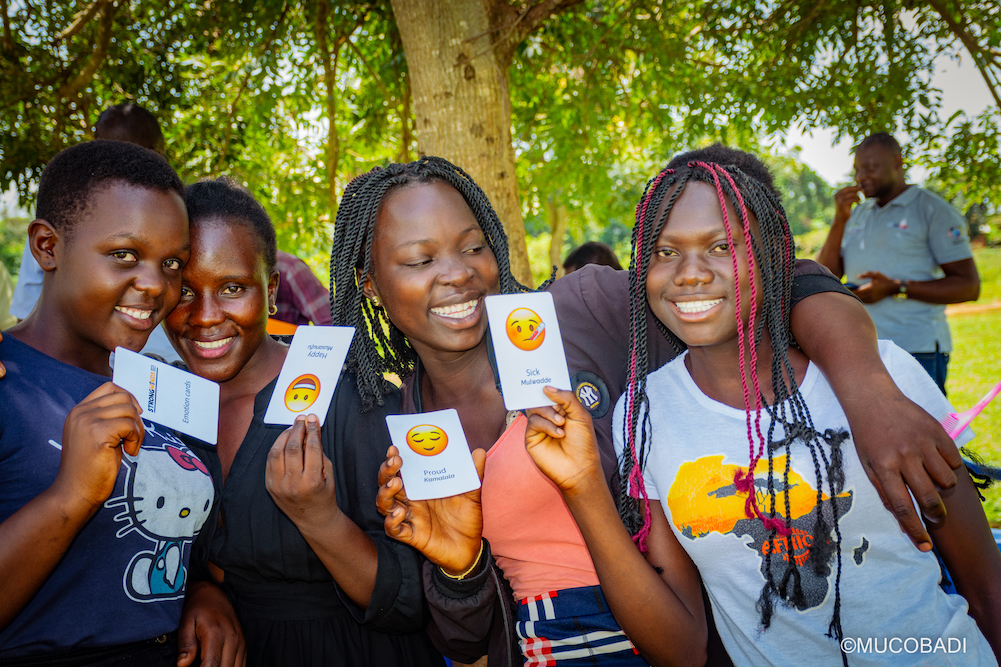
The programme addresses barriers faced by young people affected by HIV
Multi Community Based Development Initiative – MUCOBADI (Uganda)
The Mental Health Intervention Integration for Better Outcomes (MHIBO) programme integrates mental health screening, counselling and peer support into HIV care and education for school students in Uganda. Teachers and health workers serve as therapy and treatment supporters, ensuring children and youth keep to their medication schedules and receive structured weekly sessions to improve their treatment and education outcomes.
The programme addresses psychological, educational and economic barriers for HIV-positive children, adolescents, refugees and youth experiencing mental health challenges. It includes training health workers and teachers, establishing peer mentorship programmes and facilitating economic initiatives such as savings groups to address the triggers of mental health.
The aim is to reduce stigma, improve school attendance, retention and completion, encourage status disclosure and restore hope. By 2027, the programme aims to impact 7,500 school-going youth in Uganda.
The Multi Community Based Development Initiative said: “We ensure that HIV-positive children not only receive psychosocial support but also adhere to medication, reducing stigma, school dropout and challenges like depression and suicidal thoughts.”