
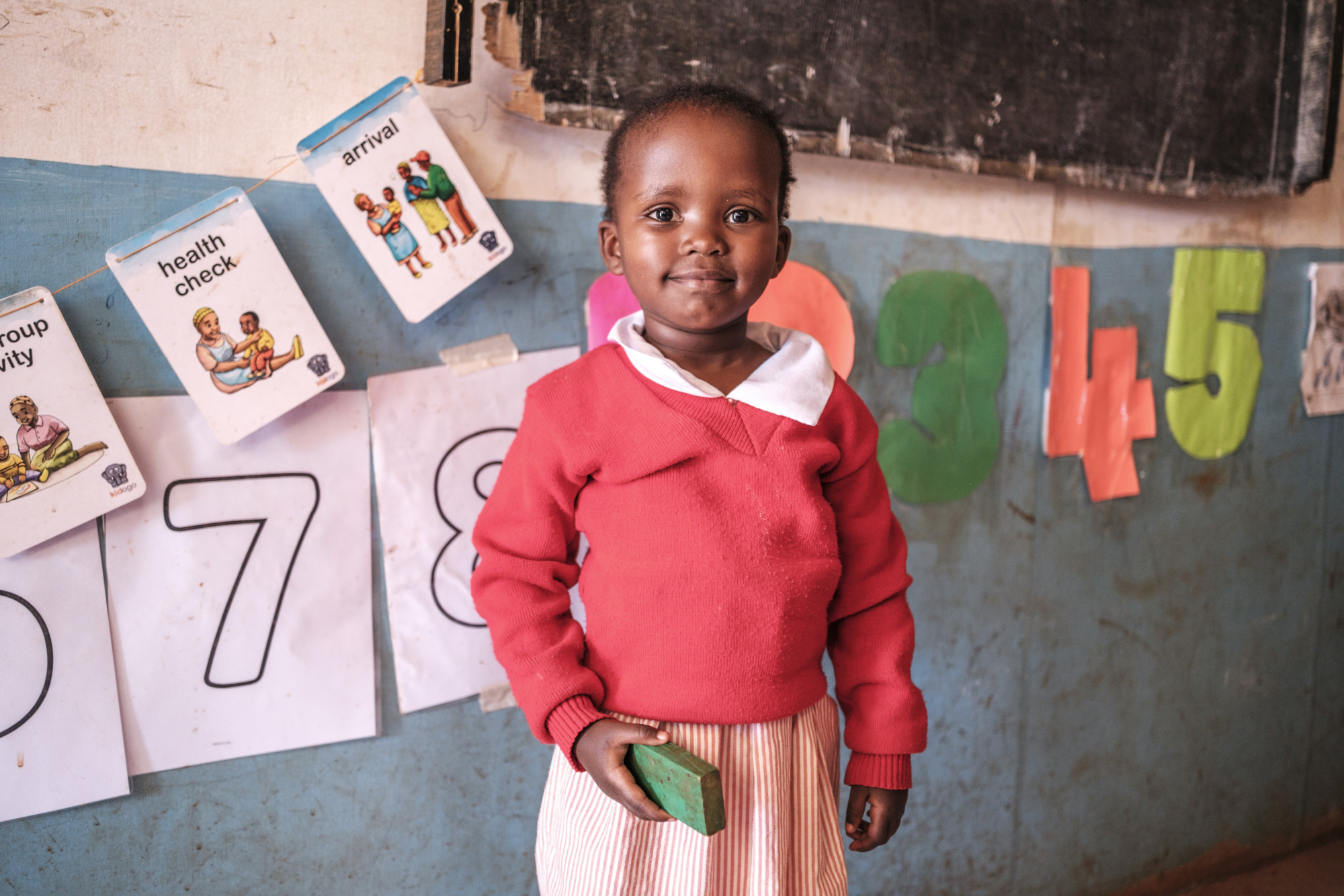
Kidogo
Kenya's childcare crisis
No matter where they are in the world, working parents wonder how their young child is doing at daycare. What are they learning, what did they eat today? Most parents know that at least their child is in safe hands when they drop them off.
But for mothers in Kenya’s informal urban settlements that’s often not the case.
Going to work or running a business can mean a difficult choice.
They can leave their child in a potentially unsafe, overcrowded and unregulated “babycare” centre or have an older daughter miss out on school to look after them.
It’s a common problem in the poor neighbourhoods of mainly tin-roofed shacks that are home to 60% of Kenya’s population.
Quality childcare is crucial for every young child. It’s when 90% of brain development happens and the under-fives are set on the path to learning, working and contributing to their communities. A lack of childcare can trap families in cycles of poverty by preventing mothers from earning and older sisters from getting an education.
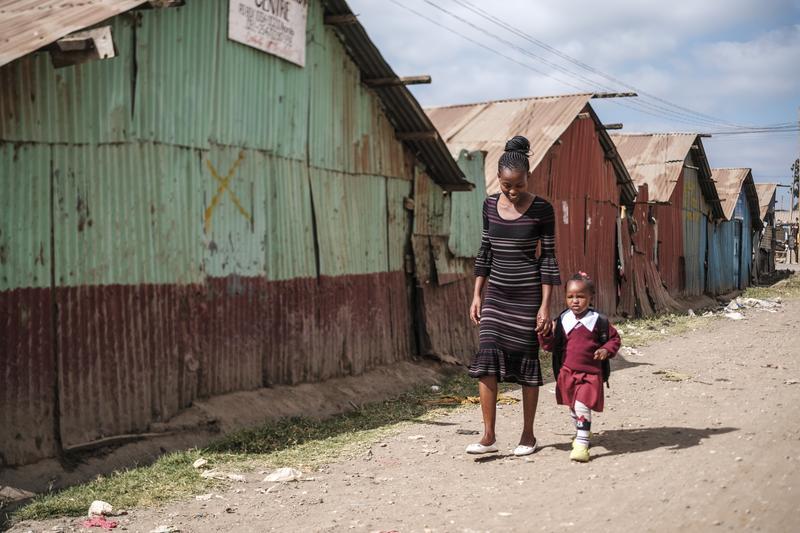
Mother and daughter walking towards their local childcare centre
Affordable, quality childcare
But there are solutions to the childcare issue. Theirworld has partnered with the organisation Kidogo for five years, helping to expand its innovative model and increase access to quality, affordable childcare in low-income communities.
A social franchise programme called Mamapreneurs helps local women launch or grow small, quality childcare businesses for children up to age three. Kidogo gives every Mamapreneur the intensive training, mentoring and support they need to provide care, learning and nutritious food in a safe environment.
The programme has supported nearly 2,000 Mamapreneurs, impacting over 52,000 children and their families.
My child is now quite social and can play peacefully with other children. Every day I come home she has something new to tell me.Quenteer, parent
The importance of play
Theirworld’s funding, resources and technical support have helped Kidogo scale up its model while strengthening the quality of early learning. Our expertise and advocacy also helped to standardise and improve the early childhood curriculum at Kidogo centres. We also provided play packs to more than 38,000 children.
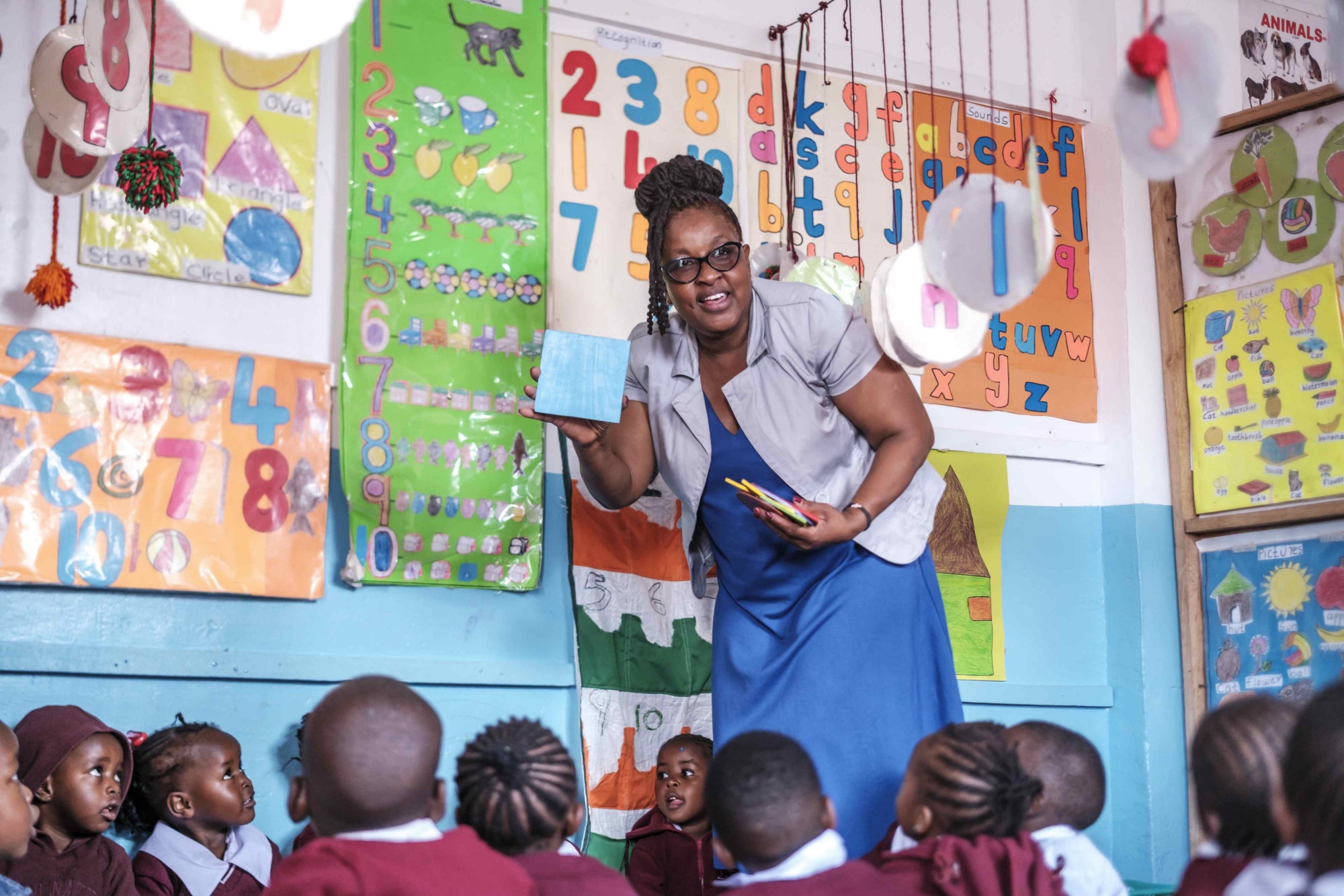
I thought that daycare meant staying idle with the children until pick-up time. But I have learned to sing with them, we jump, we play together.Regina, a Mamaprenuer who runs a centre caring for 13 children
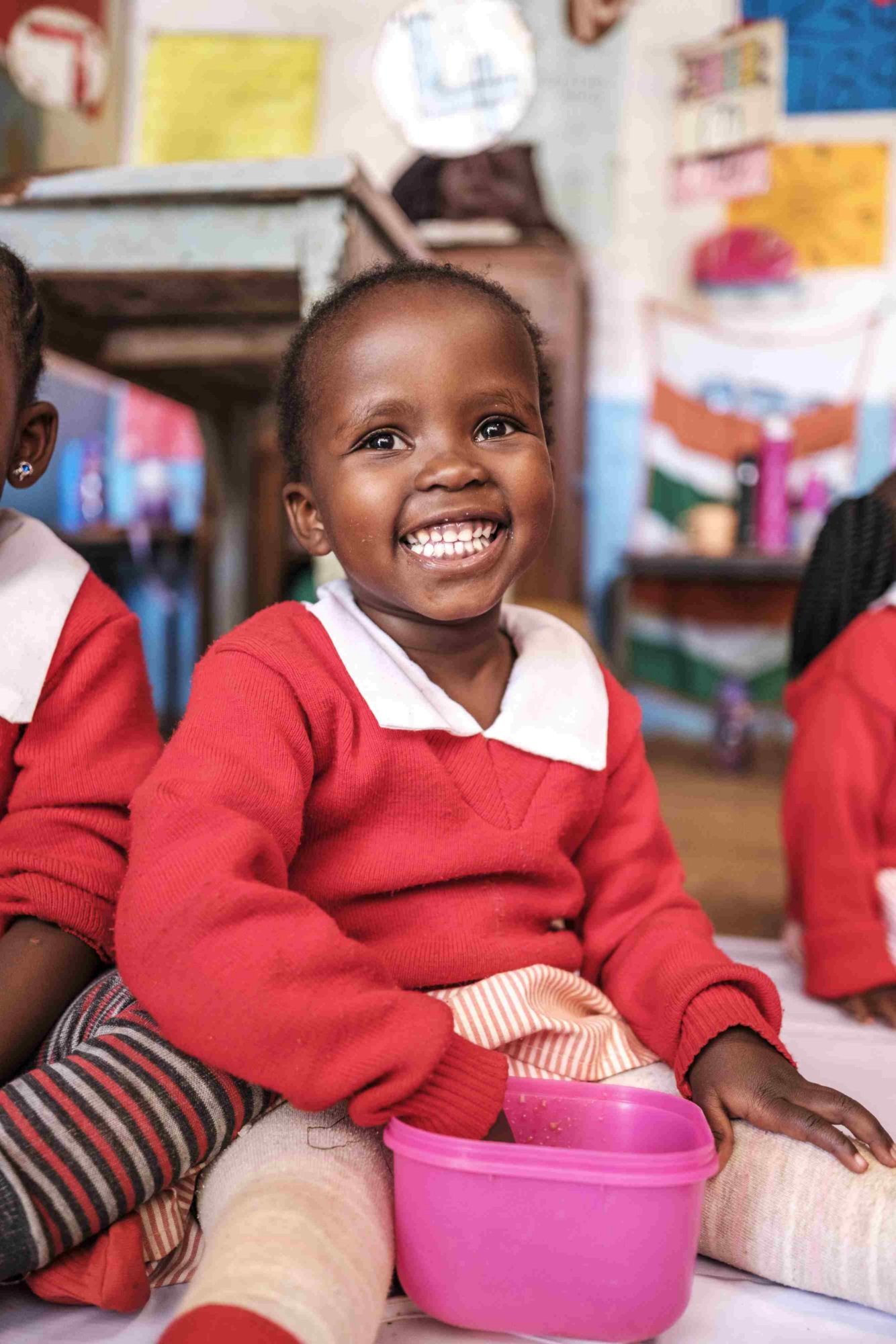
We also learned how to provide a balanced diet.
The payoff is
life-changing
Young children are safe, learning and eating nutritious food. Mothers can work or complete their education without worrying about their toddlers. Older girls can continue their education. And Mamapreneurs are earning better incomes and able to send their own children to school. This all benefits the community around them.
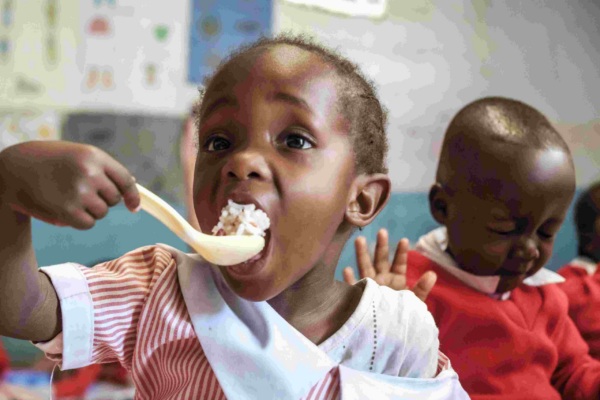
Nutritious meals are an important part of Kidogo’s daycare centres

Feel inspired by this partnership?
There are many ways that you, your trust or your company can get involved. You can donate to Theirworld’s education work, partner with Theirworld, share this case study with others or join the Act For Early Years campaign to persuade world leaders to prioritise the youngest children.

Resources

Briefing
Unlocking big change on pre-primary education in Kenya
Explainer