Only 7% of young refugees
have access to higher education.
The challenge is not lack of talent or ambition, but lack of access to the information, support and opportunities that make university possible.
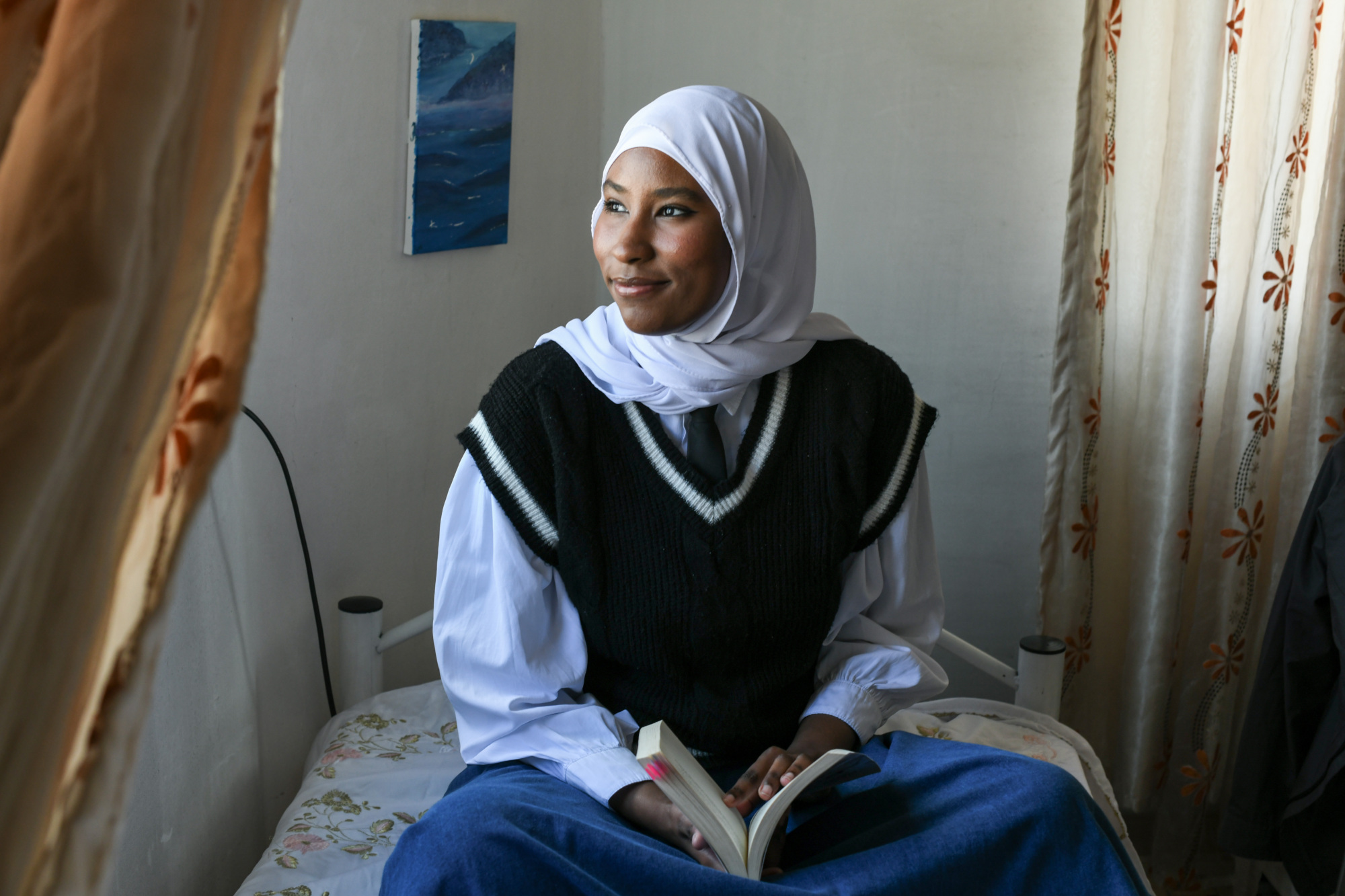
Finishing school should feel like the start of your future. But for many young refugees in Jordan, and around the world, it’s the moment new barriers come up.
In Jordan, where more than 660,000 Syrian refugees are registered and the Syrian population is estimated at 1.3 million, these barriers continue to limit access to higher education. Policy progress has helped, but too many young people still reach the end of school without a clear way forward.
have access to higher education.
The challenge is not lack of talent or ambition, but lack of access to the information, support and opportunities that make university possible.
Theirworld's partnership with Mosaik goes beyond funding - it has helped strengthen and scale an approach that gives refugee students practical tools and clearer paths into higher education.
Together, they have expanded guidance programmes across Jordan, Lebanon, Uganda and Egypt, reaching 458 young people through a mix of in-person and online self-paced learning.
For many young people, the journey doesn’t end with finishing school. That’s where the real challenges beginByna, Mosaik’s Guidance Programme Implementation Lead

Theirworld has also helped Mosaik scale its programmes: piloting digital models, expanding into new contexts and building university partnerships. This includes 25 fee-waiver scholarships through the University of London in Egypt, and coordination across six universities to create new pathways for refugee learners.
It’s clear how quickly the right support leads to real progress:
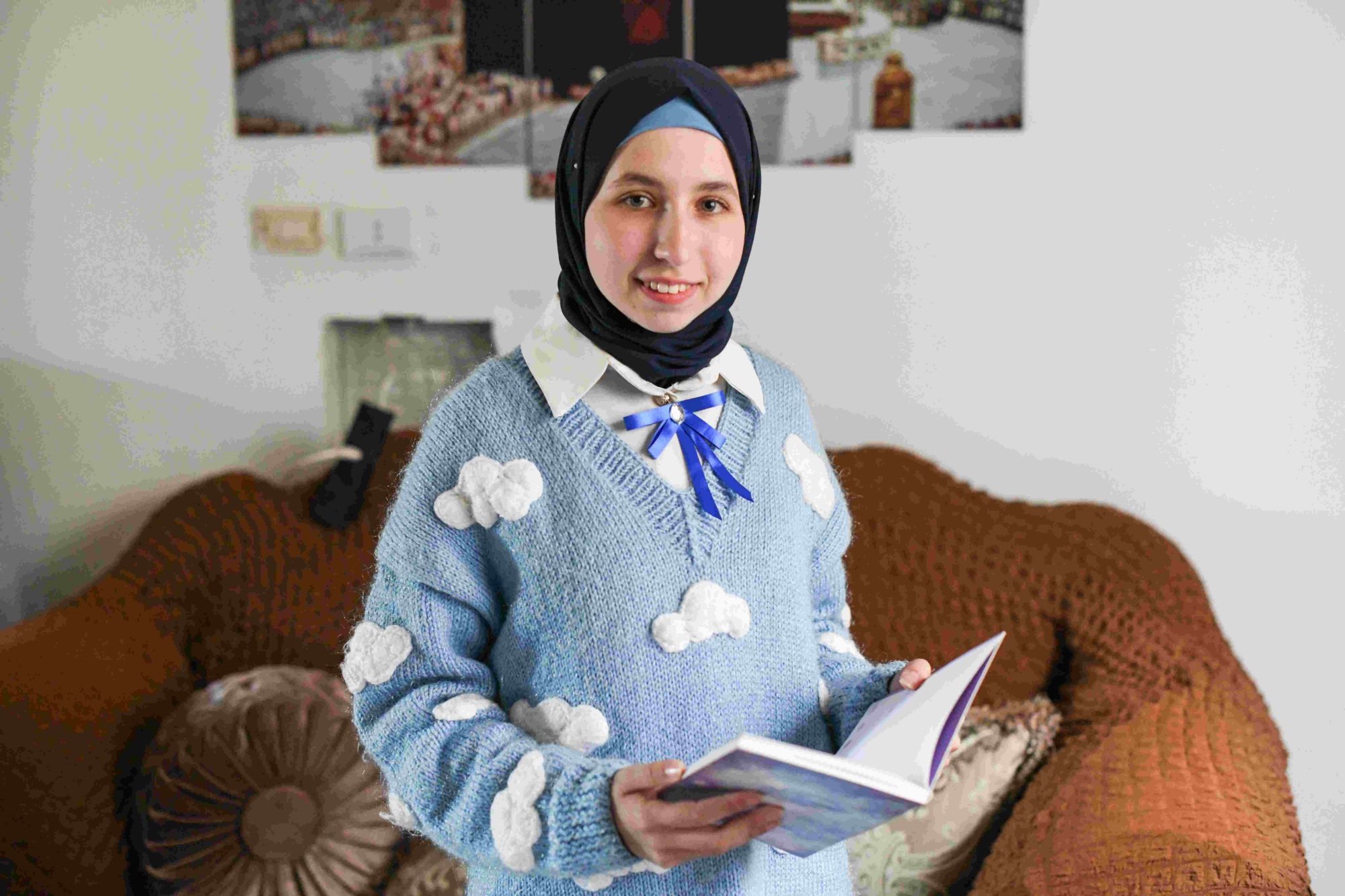
Reem, a Syrian refugee who is now studying genetic engineering at Philadelphia University, says:
“People think that refugees, when they leave their country, suddenly become depressed and their lives stop... But on the contrary, if we hadn’t come here, I wouldn’t have continued my studies. Continuing education in Syria is less usual”.
Reem has gained access to university, as well as a powerful shift in confidence and a new sense of responsibility. “One of the things I didn’t expect myself to be able to do… was sharing information… maybe because I didn’t have enough information to share. That has now changed, I felt that I had more information… I had an inner feeling that I have to share this information, I shouldn’t keep it to myself.”
Now, she is helping create change through youth-led research.
Whenever someone hears the word refugee, they would think about people that need help, which is true, but we want more than that. We are also human, we want to thrive, we want to participate and we want to socialise.
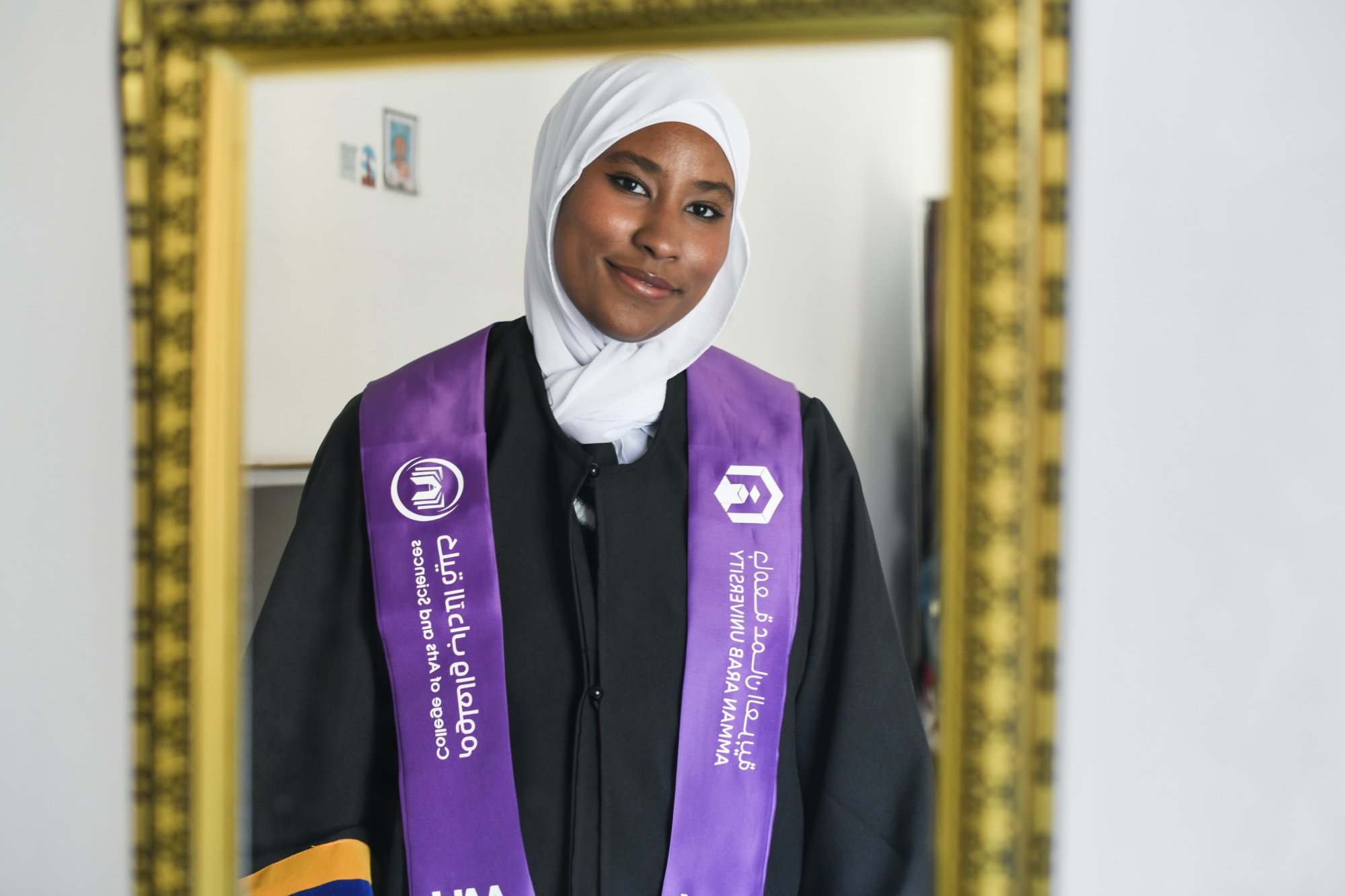
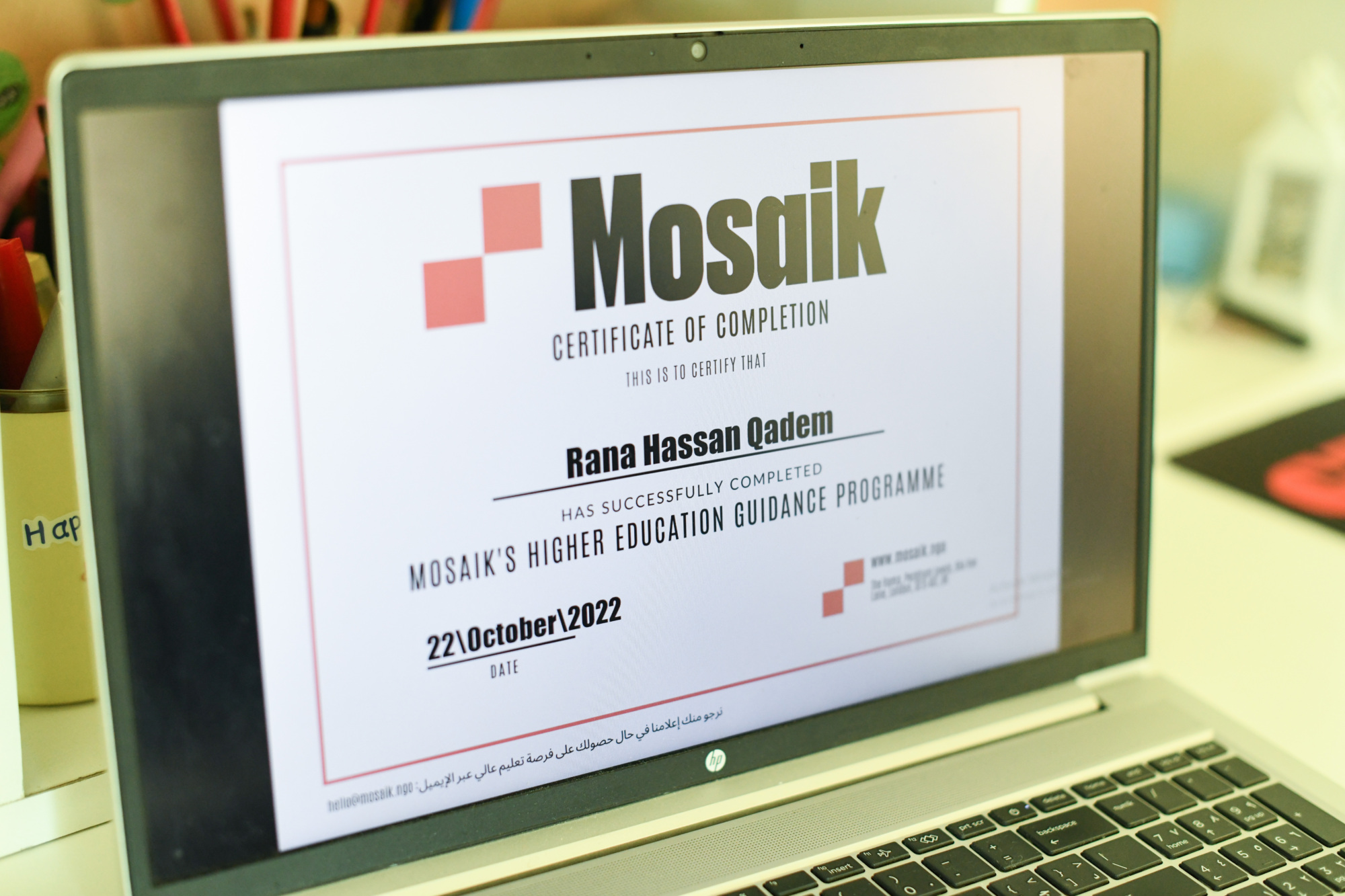
For Rana, whose parents come from refugee backgrounds, it was one of these programmes which helped her apply for a university scholarship, strengthened her leadership skills and supported her path into higher education.
Rana has now completed her bachelor’s degree and been admitted to Sciences Po in France to study Human Rights and Humanitarian Action. For her, being part of the programme has been a “transformative experience”.
The moment that I still feel surprised about is when I got the opportunity to apply for my master's degree... I'm very proud of myself to be able to achieve it.
75% of graduates
The programme’s impact is broadening further, with 75% of graduates stating that they have shared their learning with peers. By backing local expertise and helping proven models evolve, Theirworld has supported Mosaik not only to reach more students, but to widen its impact so that more young refugees like Reem and Rana can achieve their dreams.
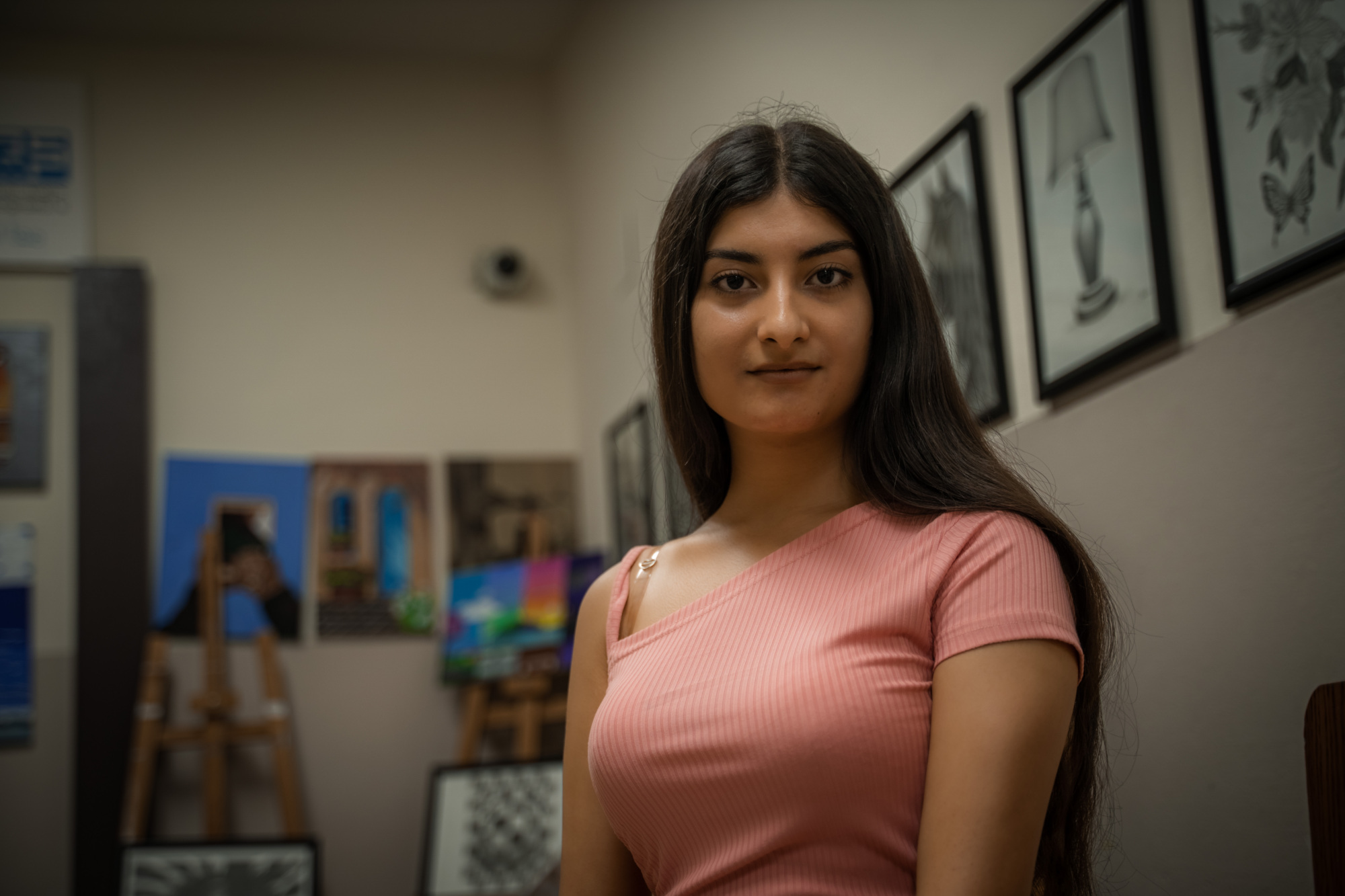

This project is one of several initiatives we’re supporting across the Middle East.