Jennifer Brown Research Laboratory and Theirworld Edinburgh Birth Cohort


When Sarah and Gordon Brown’s daughter Jennifer was born at 33 weeks, she lived for just ten days.

Their experience left them determined to understand more about why babies are born too soon, and how we can give children the best possible start in life.

That determination led to the creation of the Jennifer Brown Research Laboratory, a pioneering Theirworld project at the University of Edinburgh.

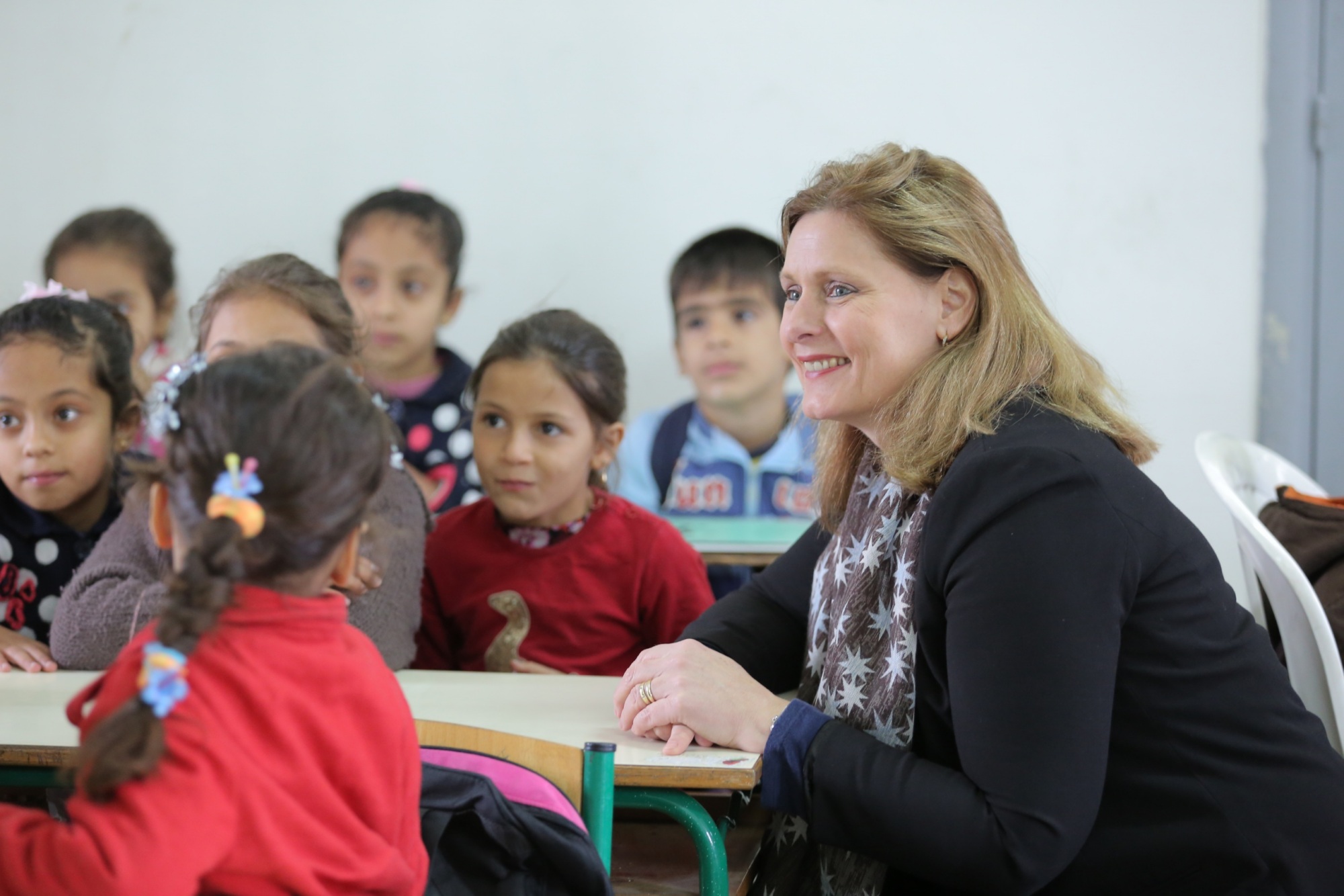
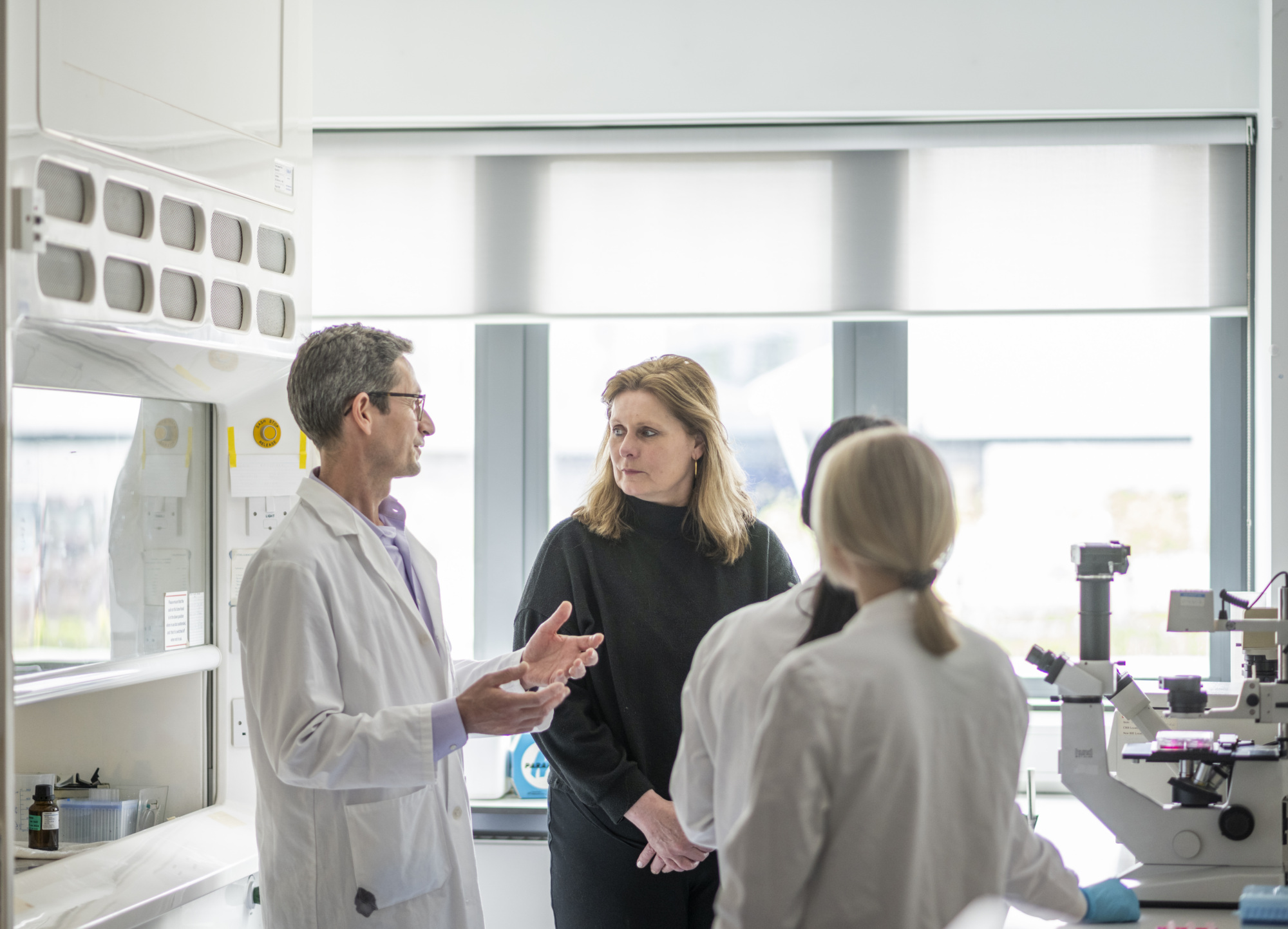
Sarah Brown and Professor James Boardman, Scientific Director, Jennifer Brown Research Laboratory

Being born too soon remains a major early-years challenge.

We still don’t fully understand what causes premature birth, how to prevent it, or how best to protect babies’ development when it happens.

But some of the biggest unanswered questions extend beyond premature birth. What shapes a child’s development from their very first days? Why do some children thrive while others experience difficulties? And what role do their biological, social and environmental circumstances play?

Answering these questions – for children born both prematurely and at full term – could transform our understanding of what every child needs to get the best start in life.

15 million babies

are born prematurely worldwide every year.

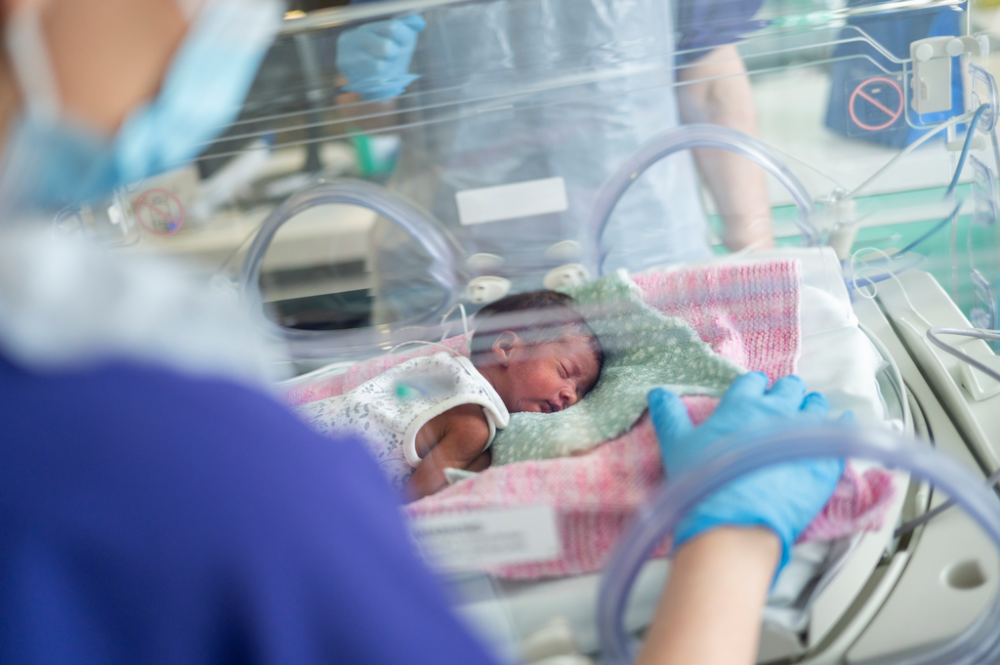
Premature birth remains a leading cause of death and disability among newborn babies. For those who survive, the effects can continue long beyond those first weeks and months. Children born early are more likely to experience complex developmental needs as they grow, including learning difficulties, problems with sight and hearing, behavioural issues and cerebral palsy.

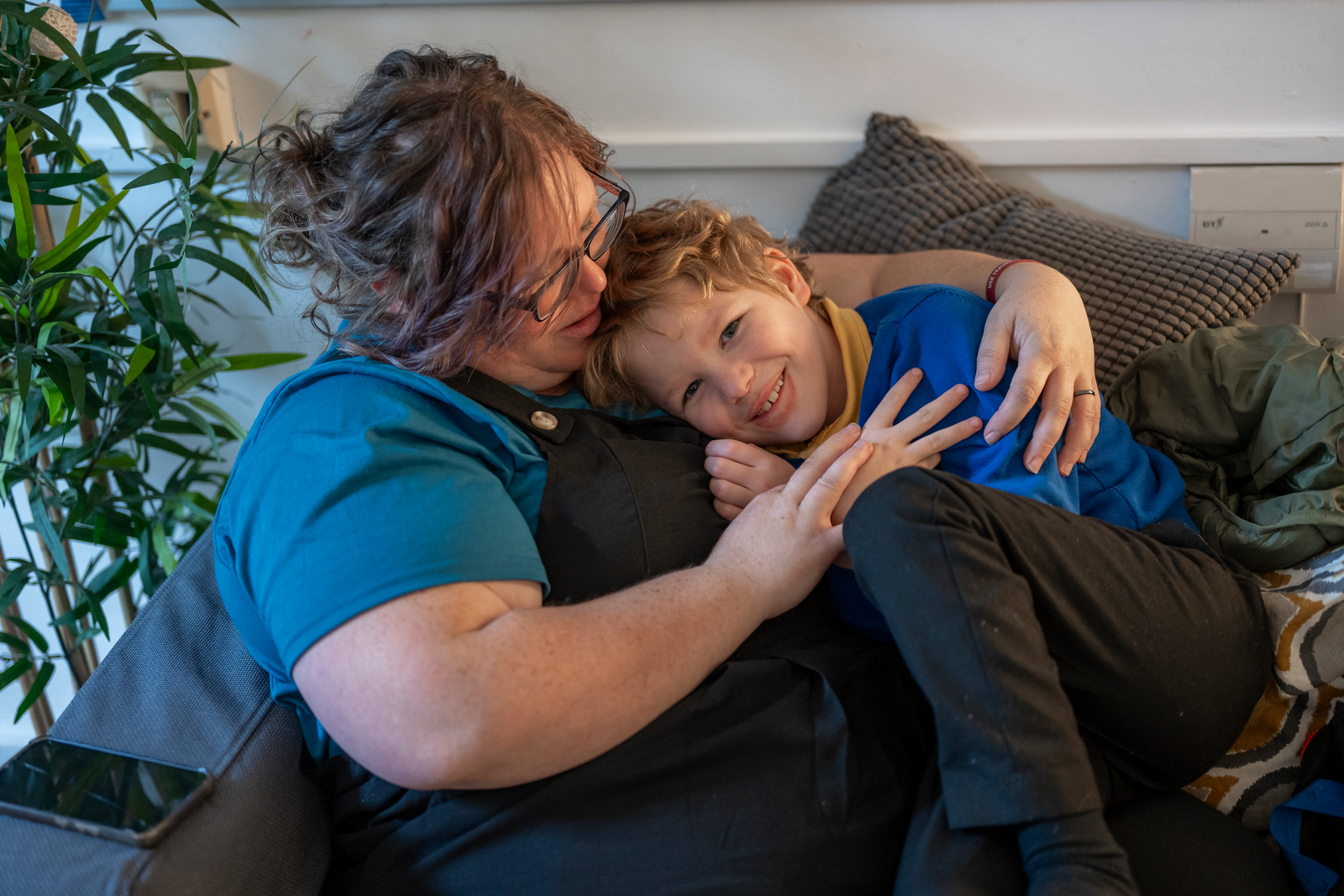
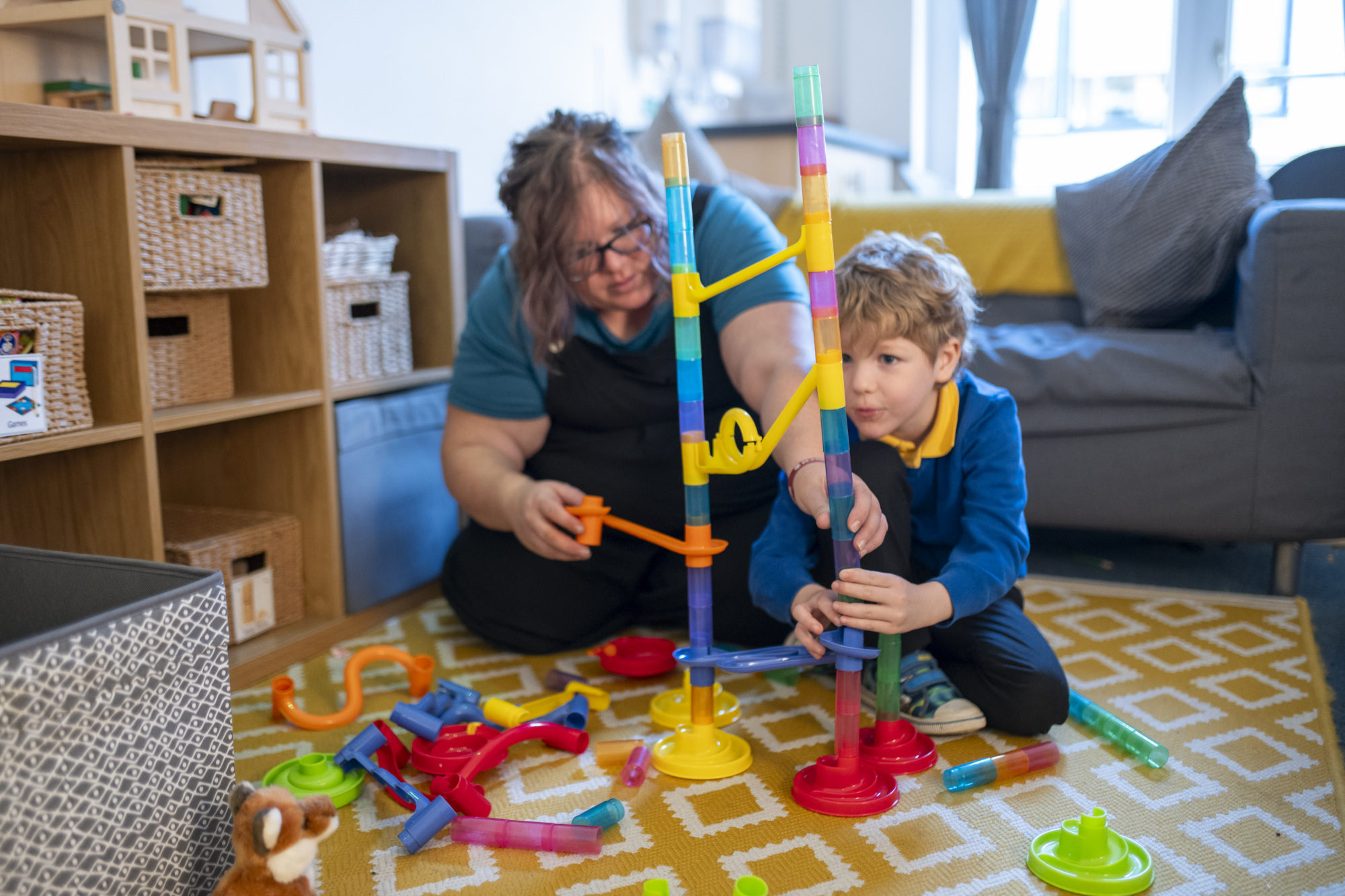
For Cooper’s mum, Louise, this distinction between surviving and thriving is important. When Cooper was born at just 27 weeks, the immediate priority was keeping him alive. But as he grew, other needs began to emerge.
Survival is not the end of the story.

Understanding how children develop after such an early start is vital to giving them the support they need to thrive.


Two pioneering projects. Two vital questions.

For more than 20 years, Theirworld has supported pioneering research at the University of Edinburgh, helping scientists investigate both the challenges surrounding premature birth and the wider factors that shape children’s development.


Why are babies born too soon?

Established in 2004 as a pioneering Theirworld project, the Jennifer Brown Research Laboratory (JBRL) investigates the causes of premature birth, how it might be prevented, and how treatment and care can improve outcomes for babies born too soon.

Its research is helping scientists and healthcare professionals better understand what happens before, during and immediately after premature birth – and how more babies can be given the strongest possible start.

What helps children thrive as they grow?

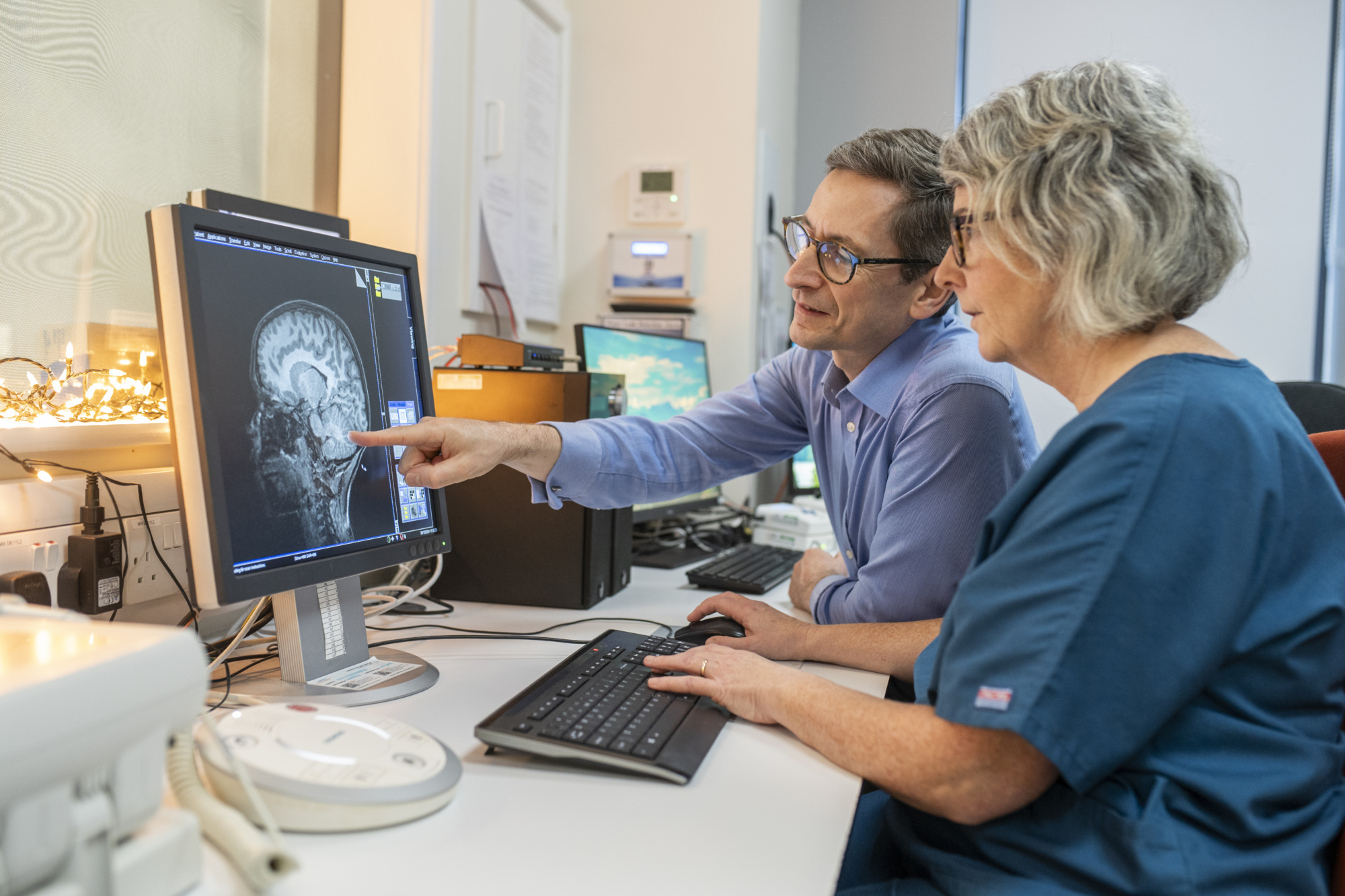
The Theirworld Edinburgh Birth Cohort (TEBC) asks a different, broader question. In a world-first study, researchers are following 400 premature and full-term babies from birth to adulthood, investigating how biological, social and environmental factors shape their brain development, learning and later health.

Following children over many years allows researchers to see what cannot always be understood in those first weeks or months of life – building knowledge that is relevant not only to children born prematurely, but to all children and young people.

Research is already changing what we know

Theirworld-supported research has already produced important discoveries, including:

  • the first study showing that infant gut microbiota can be affected by preterm birth
  • the discovery that preterm birth does not affect infant attachment
  • ground-breaking research showing that socioeconomic circumstances can have as much impact on brain development as early birth

Together, JBRL and TEBC are helping build a much fuller picture: from understanding why babies are born too soon to discovering what children need to flourish throughout their lives.

Louise and Cooper's story

For families taking part in the Theirworld Edinburgh Birth Cohort, the value of this research is already deeply personal.

Cooper is now seven and has been part of the study since he was a baby. Born at just 27 weeks, Cooper survived an extremely premature start at a time when advances in neonatal research and care are helping more very premature babies survive.

But as his mum Louise discovered, survival was only one part of his story.

As Cooper grew, TEBC's scans and assessments helped his family gain recognition of developmental needs that had not previously been recognised.

It took the Theirworld study to actually get us the recognition that Cooper has developmental needs.

Our partners

University Of Edinburgh

One of the world’s leading universities, Edinburgh collaborates with prominent institutions in fields as diverse as e-science, engineering and life and medical sciences.

MRC Centre for Reproductive Health

The MRC Centre for Reproductive Health is the only research centre funded by the Medical Research Council (MRC) that focuses exclusively on reproductive health.

NHS Lothian

NHS Lothian is the UK’s second-largest Health Authority and hosts the Simpson Centre for Reproductive Health at the Royal Infirmary of Edinburgh.

Help us discover what every child needs to thrive

There is still so much more to discover. From understanding why babies are born too soon, to uncovering how children’s earliest experiences shape their development, continued research can give families, healthcare professionals and policymakers the knowledge they need to give children the best possible start in life.

Theirworld funds this work and helps bring together expertise, build partnerships and create opportunities for pioneering research to grow, so discoveries can reach more children, more quickly.

With your support, we can build on more than two decades of progress and help turn research into better beginnings for children everywhere.

Donate Now